

Laughing gas (Also referred to as Nitrous Oxide) is a colourless gas that is primarily used in a medical setting. It helps patients relax and can induce feelings of euphoria and light-headedness.
Laughing gas triggers the release of dopamine which makes it effective for procedures like dental work and childbirth.
When nitrous oxide is inhaled, several immediate effects can happen. This is especially strong if inhaled quickly or an excess amount is inhaled.
These effects include:
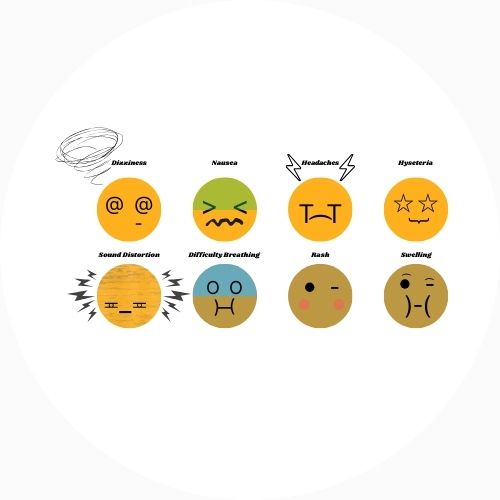
Dizziness, Nausea, Headaches, Euphoria/laughter and sound being distorted.
In some rare cases, individuals may have an allergic reaction which can manifest as difficulty breathing, a rash or swelling.
Whilst nitrous oxide is generally considered safe for short-term medical use, a prolonged exposure to this gas can lead to some serious health issues.
These include:
Neurological damage like spinal cord damage and nerve demyelination, a deficiency in Vitamin B12 and a decline in one’s cognitive abilities.
In the case of someone being suspected to have nitrous oxide poisoning, or similar case, you should act immediately.
1. Call 999 straight away. If the person is unconscious, having difficulty breathing, or showing severe symptoms (Confusion, Seizures, Chest pain) you should contact an ambulance as soon as possible
2. Go to the nearest Accident and Emergency department if the symptoms are serious but not immediately life-threatening
3. Contact 111 for advice if the symptoms are mild or you are unsure
Whilst you are waiting for help, keep the person awake and seated or lying on their side if they are drowsy. Ensure that the area around you is well ventilated and do NOT try to make them vomit or induce breathing by yourself unless otherwise told to
