Cocaine

breadcrumb breadcrumb

Cocaine Harm Reduction

What is Cocaine?

Cocaine Hydrochloride is a well-known substance and has highly addictive properties. Normally, cocaine is snorted through the nose, although Crack Cocaine is a crystalised form of cocaine that can be smoked whilst Cocaine Powder & Crack can be injected directly into the body.

Cocaine is sometimes mixed with other things, from corn-starch to other illicit & prescription substances (e.g. amphetamines). Different mixes can lead to varied and/or more drastic effects that can impact the body differently & more unpredictably.

What is the status of Cocaine in the UK?

Whilst cocaine is primarily known for being used illegally, it does have a limited purpose in medical fields as well. Cocaine is a stimulant that can also act as a local anaesthetic. In the UK, Cocaine is considered a Class A Restricted Substance, meaning it’s subject to large scale restrictions and heavy penalties for misuse.

The Impacts Of Cocaine

What Are The Short-Term Effects?

Cocaine is know to cause multiple short-term effects, most of which occur as a result of the increased nervous system activity from cocaine intake. These effects can include, but aren’t limited to:

  • excess energy / unusually energetic,
  • paranoia,
  • anxiety,
  • nausea,
  • increased risk of seizure,
  • altered confidence,
  • decreased appetite,
  • volatile behaviour,
  • increased sensitivity to the environment (e.g. sounds),
  • restlessness,
  • dilated pupils,
  • abdominal pain,
  • increased heart rate / blood pressure,
  • increased body temperature,
  • euphoria,
  • tremors,
  • and more…

It is important to remember that everyone is different, and symptoms may vary from person to person. This includes both severity and presentation, as most individuals will not experience every symptom and/or experience them simultaneously. Drug Mixing can lead to inconsistent and unpredictable effects, a lot of which pose a risk to the taker.

What Are The Long-Term Impacts?

Cocaine does take its toll on the human body over time, causing a degradation and disruption to normal bodily functions like sleeping and eating. This can include:

  • poor sleeping patterns (e.g. insomnia),
  • slowed movement & physical responses,
  • malnutrition from reduced appetite,
  • impacts on mental health and any related conditions,
  • higher risk of strokes,
  • general irritability,
  • drug binging (e.g. taking multiple doses to prolong effects),
  • impotence,
  • memory loss,
  • dependency / reliance,
  • mood swings,
  • chronic anxiety,
  • depression,
  • suicidal thoughts and/or attempts,
  • heart / cardiovascular damage,
  • cravings,
  • psychosis,
  • soft tissue damage,
  • damage to lips, mouth and lungs,
  • infection and other needle-related injuries.
  • and more…

These combined effects can have impacts beyond the physical as well, often exasperating known difficulties with social life or economic stability. Furthermore, some effects -if left untreated- can lead to permanent damage to the body, such as when soft tissue damage develops into a perforated septum or other condition. Just like short-term effects, consistently mixing cocaine with other substances can lead to more severe and less predictable long-term effects.

In An Emergency…

Dial 999 or find the nearest available A&E. Medical attention is critical to mitigate damage and prevent a potential loss of life. To identify an emergency situation, you should check for some of the following:

  • unconsciousness,
  • seizures / fitting,
  • stroke,
  • difficulty or inability to breath,
  • nausea,
  • vomiting,
  • anxiety / panic,
  • chest pain,
  • hallucinations,
  • violent/aggressive behaviour,
  • no response to stimulation,
  • hypothermia,
  • rapid/irregular heart rate,
  • heart attack,

If you or another person is experiencing the above conditions -within reasonable parameters- then seek help. Not all symptoms may be present. Once again, the symptoms of an emergency can vary based-on multiple factors from person to person which can increase or decrease the severity and presentation of an emergency.

Individuals with existing conditions (e.g. high blood pressure, heart disease, depression, etc…) may face a greater risk in an emergency situation where they require immediate medical attention.

Mitigating The Risks

Whilst there are always risks associated with taking a substance, there are a few things that can be done to mitigate it, along with some things to avoid.

If you are taking Cocaine, try to do some of the following:

  • ensure a safe environment – somewhere without environmental hazards or untrusted individuals.
  • let someone know that you’re taking Cocaine – you should have someone looking out for you.
  • start low, go slow – test the waters before you dive in headfirst.
  • try to limit cocaine-use with alcohol consumption or other substance use – no more than a pint an hour of alcohol is usually a good measure to go by, although everyone is different. If you can, try to avoid other substances all together.
  • use new equipment – no one wants a disease from dirty or old equipment.
  • if snorting, grind it down as fine as possible and divide it into lines.
  • if smoking, crush the crack rock into smaller chunks before smoking with a clean pipe or fresh foil.

If you are taking Cocaine, try NOT to do the following:

  • try not to share any equipment with others – you don’t know where people have been or what they might have.
  • try not to mix with other substances – alcohol and prescription drugs included.
  • Avoid injections – it provides amplified effects, but its short-lived and riskier.

Barnsley Recovery Steps

Barnsley Recovery Steps is a free, confidential service supporting people in Barnsley affected by alcohol and other drugs. This includes Cocaine, along with its variants. Our information can be found below:

Email:

brs.referrals@waythrough.org.uk

Phone:

01226 779066

Address:

McLintocks Building,
Summer Lane,
Barnsley,
S70 6BX

Referral Form:

Click HERE To Register With Our Referral Form.

Other Advice

Cannabinoids
Cannabinoids
Cannabinoids are a group of chemical compounds found in cannabis plants. While there are hundreds of different cannabinoids, the two most well-known are THC and CBD.
Learn More
Needle Exchange
Needle Exchange
At Barnsley Recovery Steps, we provide a confidential and non-judgemental needle exchange service designed to help you stay safe and healthy.
Learn More
Stimulants
Stimulants
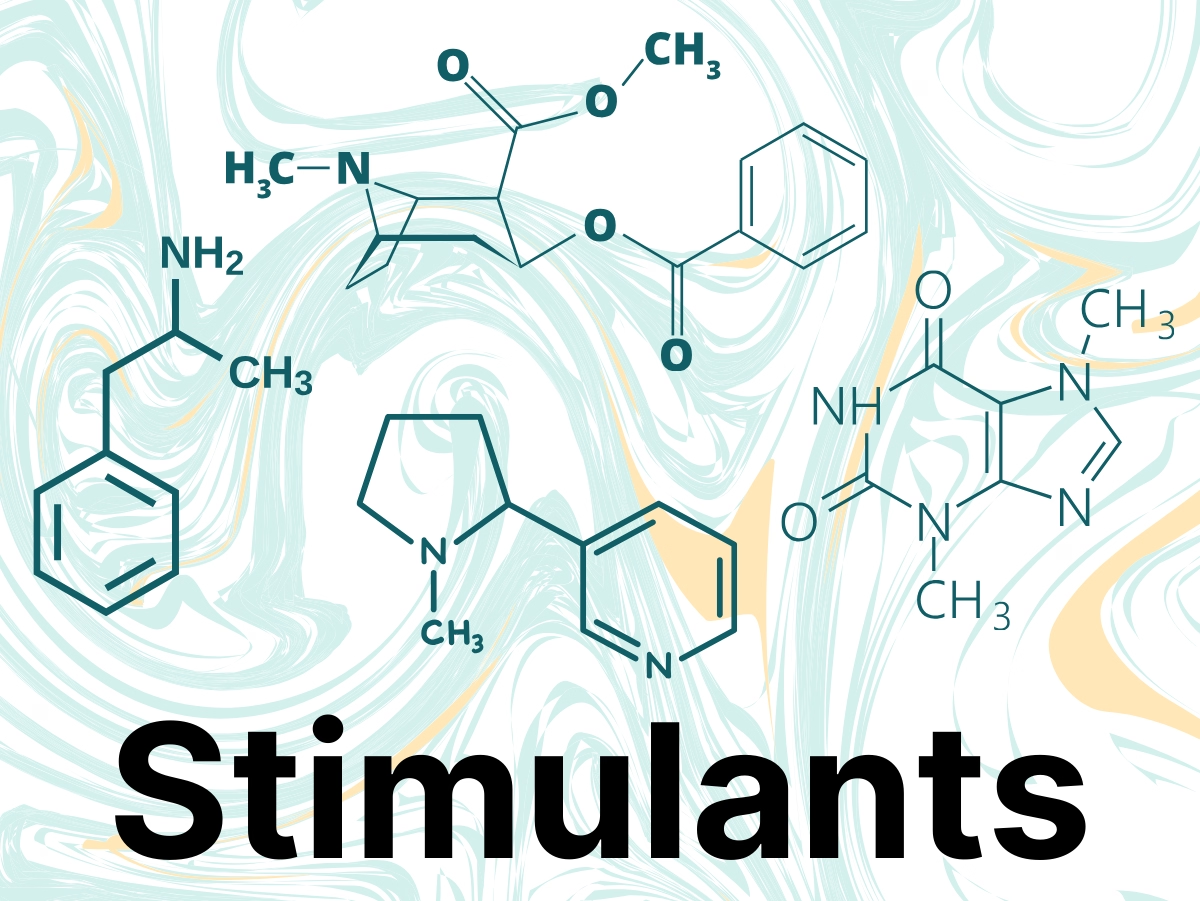
Stimulants are substances that speed up messages between the brain and body. They can make a person feel more alert, energetic, or confident, but they may also cause anxiety, aggression, or paranoia. Common examples of stimulants include methamphetamine, amphetamines, cocaine, nicotine, and caffeine.
Learn More
Alcohol
Alcohol
Alcohol is the most widely used drug in the UK. As a depressant, it slows down breathing, decreases heart rate, and can create feelings of relaxation and euphoria. However, at higher doses, alcohol can impair coordination, judgement, cause slurred speech, and lead to emotional outbursts.
Learn More
/